
Industrial espionage: the tapes.

The presumption is that someone is breaking into a computer but industrial espionage long predates that, with someone breaking into filing cabinets or, even, reading a sheet of paper upside down on a desk.
And there is the constant worry about someone walking out of a building with a floppy disk, a USB stick or a portable hard drive. And that's before we think about hacking or unauthorised access to computers.
One particularly successful way of gaining information was by stealing (easy enough, just replace it with a new one) the carbon ribbon out of a typewriter.
Old fashioned inked ribbons ran backwards and forwards, being constantly battered by the hammers on which the letters were set. The transfer was literally by the force of the typist's fingers.


With the advent of electric typewriters, the world was changing: technology companies started to sell their hardware cheaply and to make their money out of "consumables". And in the case of consumables, the cheap and cheerful and long-lasting fabric ribbon did not generate the turnover companies wanted. Enter the carbon cartridge which did not transfer ink: it transferred coloured plastic, hitting hard so that the plastic was punched out and deposited on the paper.
As an aside, carbon ribbons did not work well on textured paper and indirectly were responsible for the dramatic decline of laid and otherwise textured paper for correspondence other than that written by hand.
Because the characters were punched out of the tape, the tape contained a complete record of what had been typed. And, unlike fabric ribbons, they lasted only one pass.
They were not easy to decipher: the mechanism moved the ribbon up and down so there were two lines of characters.
But everything was there. I know. I've done it (not for nefarious purposes - given enough time, the contents of a lost document could be recovered so long as the tape had not been replaced). In the 1980s we had a security protocol to destroy the tapes (I took them home and tossed them on the bonfire - no worries about burning plastics then).
But hey, it's all ancient technology, isn't it?
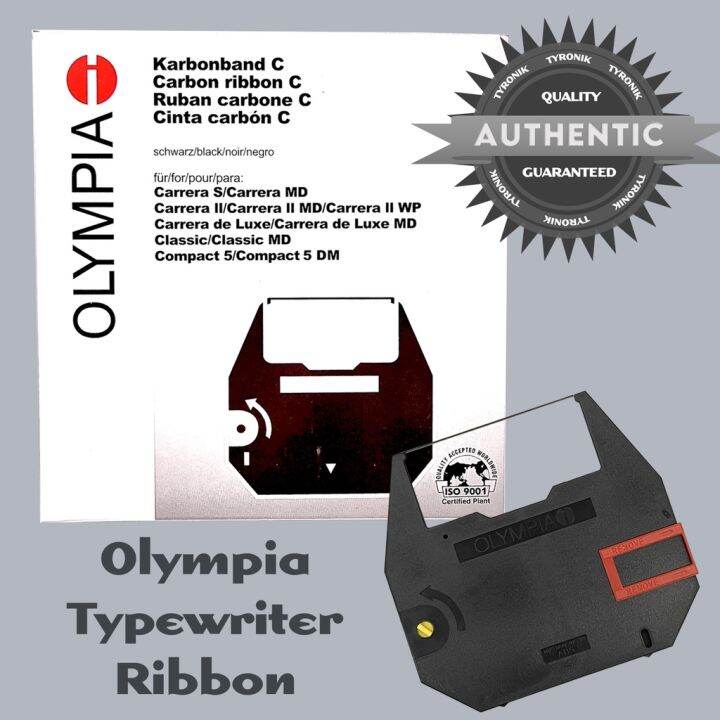
Well, no. The graphic below is an advert from Lazada, an online platform in The Philippines where many articles recommend that US and other companies hire Virtual Assistants because they are cheap.
About this section
Opinion pieces or "Op-Eds" are the home-made bombs of the publishing world. So long as they meet editorial standards, are not intentionally offensive with a view to causing hurt or insult and are relevant to our field of endeavour, we will look at submissions.
We like contentious, we like contrarian views. We don't like pretty much any -ism . We recognise that Opinion pieces are one person's view and are not balanced (if they are balanced and reach a reasoned conclusion, they are probably more suited to the Articles section). We do not like acronyms and buzzwords.
Op-Eds are the author's personal views and do not necessarily represent the views of World Money Laundering Report or its publishers.
To submit an Opinion piece, please complete the Contact form.
